Technology
Former SpaceX Engine Chief Tom Mueller Bets on the Future of In-Space Transportation With Impulse Space
Rocket propulsion pioneer Tom Mueller is building a new space company focused on moving satellites, cargo, and future missions across orbit, aiming to become a key player in the emerging in-space mobility industry.
By CM NEWS Technology Desk | Publication Date: June 8, 2026
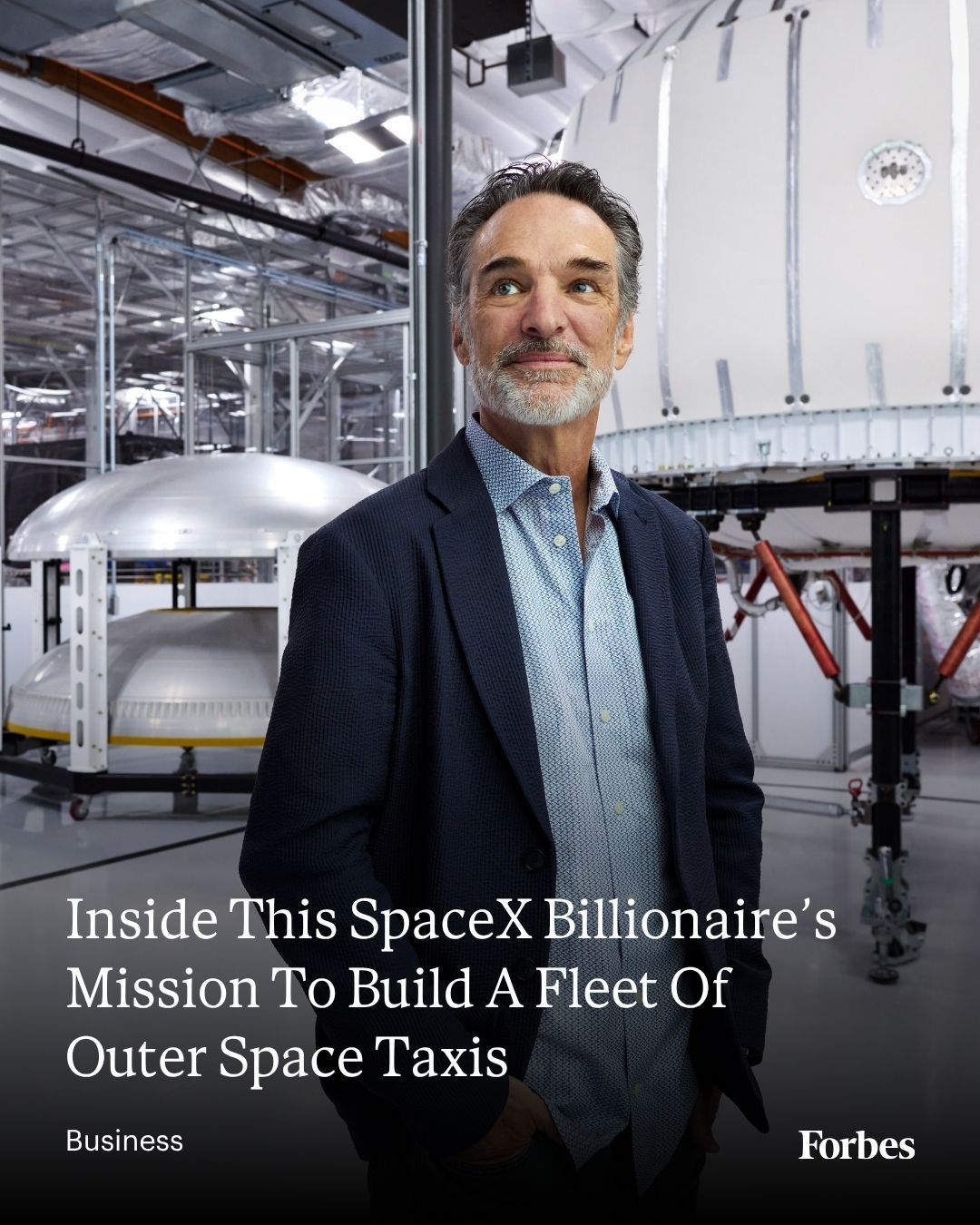
Tom Mueller, widely recognized as one of the most influential rocket propulsion engineers in modern spaceflight, is pursuing a new venture aimed at transforming transportation beyond Earth. After helping build the engines that powered SpaceX's rise as a global launch leader, Mueller has turned his attention to a different challenge: moving spacecraft and payloads once they are already in space.
Through his company, Impulse Space, founded in 2021, Mueller is developing orbital transportation systems designed to carry satellites, cargo, and potentially human missions between destinations in space. The effort reflects a growing focus within the commercial space sector on infrastructure that extends beyond rocket launches.
Key Facts
- Tom Mueller was a founding employee and former propulsion executive at SpaceX.
- He launched Impulse Space in 2021 after leaving SpaceX.
- The company focuses on "in-space mobility," a sector dedicated to moving payloads after launch.
- Impulse Space vehicles are designed to ride aboard existing rockets before operating independently in orbit.
- The long-term vision includes supporting missions to the Moon, Mars, and other deep-space destinations.
Full Story
For decades, the commercial space industry has focused heavily on one challenge: reaching orbit. Companies around the world have invested billions of dollars into developing rockets capable of carrying satellites, scientific instruments, and astronauts into space.
However, industry leaders increasingly recognize that reaching orbit is only the first step.
Once satellites are deployed, many still require transportation to specific orbital locations. Future lunar missions, space stations, and deep-space exploration projects will require vehicles capable of moving cargo efficiently between destinations beyond Earth.
This is the market that Impulse Space hopes to serve.
Founded by Tom Mueller, the company is developing spacecraft that function similarly to transportation services within space. Instead of launching directly from Earth, these vehicles are designed to ride aboard existing launch systems, separate after reaching orbit, and then transport payloads to their final destinations.
The concept could reduce complexity for satellite operators and provide additional flexibility for commercial, scientific, and government missions.
According to the company's vision, future spacecraft may eventually support a range of activities, including satellite repositioning, cargo transport, orbital logistics, lunar missions, and other deep-space operations.
The approach mirrors a broader trend within the space economy. As launch services become more accessible and affordable, attention is increasingly shifting toward infrastructure that enables long-term activity beyond Earth's atmosphere.
The Growing Importance of In-Space Mobility
The space sector is evolving from a launch-focused industry into a more comprehensive ecosystem.
Historically, launching a payload into orbit represented the most difficult and expensive part of a mission. Today, reusable rocket technology and increased commercial competition have significantly changed the economics of space access.
As more satellites enter orbit and governments plan ambitious exploration programs, demand is growing for specialized transportation services operating in space itself.
Industry experts often describe this emerging market as "in-space mobility"—the ability to move spacecraft, satellites, supplies, and eventually people between different orbital locations and destinations.
Just as airports rely on taxis, buses, and logistics networks on Earth, future space infrastructure may depend on transportation systems capable of connecting various destinations across orbit and beyond.
Companies operating in this field could become essential components of the next generation of commercial space activity.
Background: Tom Mueller's Role in SpaceX's Rise
Before launching Impulse Space, Tom Mueller built a reputation as one of the most respected propulsion engineers in aerospace.
As one of SpaceX's earliest employees, Mueller played a critical role in developing the rocket engines that powered the company's Falcon launch vehicles. Those propulsion systems helped establish SpaceX as a dominant force in the global launch market.
Under the leadership of Elon Musk, SpaceX transformed commercial spaceflight through reusable rockets, lower launch costs, and frequent missions supporting both government and private customers.
Many industry observers credit Mueller's engineering contributions as an important factor in the company's early technical success.
His departure from SpaceX marked the beginning of a new chapter focused on solving a different challenge within the rapidly expanding space economy.
Expert Analysis
The development of orbital transportation networks could become one of the most important trends in the aerospace industry over the coming decade.
Governments and private companies are planning an increasing number of missions involving lunar exploration, commercial space stations, Earth observation satellites, and deep-space research.
These activities require more than launch capability alone. They also require infrastructure for moving equipment, supplies, and spacecraft once they are already in orbit.
If companies such as Impulse Space successfully develop reliable transportation systems, they could help create an interconnected space economy that resembles logistics networks on Earth.
The concept also aligns with long-term plans by organizations such as NASA and commercial aerospace firms seeking sustainable operations beyond low Earth orbit.
What Happens Next?
Impulse Space continues developing and testing technologies designed to support orbital transportation services.
The company's near-term focus remains on helping satellites and payloads reach specific orbital destinations after launch. Over time, its ambitions extend toward supporting missions farther from Earth, including lunar operations and future exploration initiatives.
As investment in commercial space infrastructure grows, industry analysts will be closely watching whether in-space mobility becomes one of the next major growth sectors within the global space economy.
Conclusion
Tom Mueller's latest venture reflects a significant shift in the evolution of commercial spaceflight. While rockets remain essential for reaching orbit, the next phase of space development may depend on efficient transportation systems operating beyond Earth's atmosphere.
Through Impulse Space, the veteran engineer is aiming to address that challenge by building spacecraft capable of moving satellites, cargo, and eventually future missions across space. Whether transporting equipment between orbits or supporting exploration beyond the Moon, the company's efforts highlight the growing importance of infrastructure in the expanding space economy.
As commercial activity beyond Earth continues to increase, in-space mobility could become a critical component of how humanity explores, utilizes, and expands its presence in space.
Read also
[NASA's MAVEN Mars Orbiter Lost After Decade of Discovery — A $582 Million Mission Comes to an End ]