Technology
PS5 Outsells Every Xbox Console Ever Made as Sony Hits 93.7 Million Units Shipped
Sony's PlayStation 5 has reached a landmark milestone in gaming history, surpassing the lifetime sales figures of every Xbox console ever released. According to Sony's latest quarterly financial results, the PS5 has now shipped 93.7 million units worldwide since its launch in November 2020 — a figure that eclipses even Microsoft's best-performing hardware generation and reshapes the narrative of the modern console war.
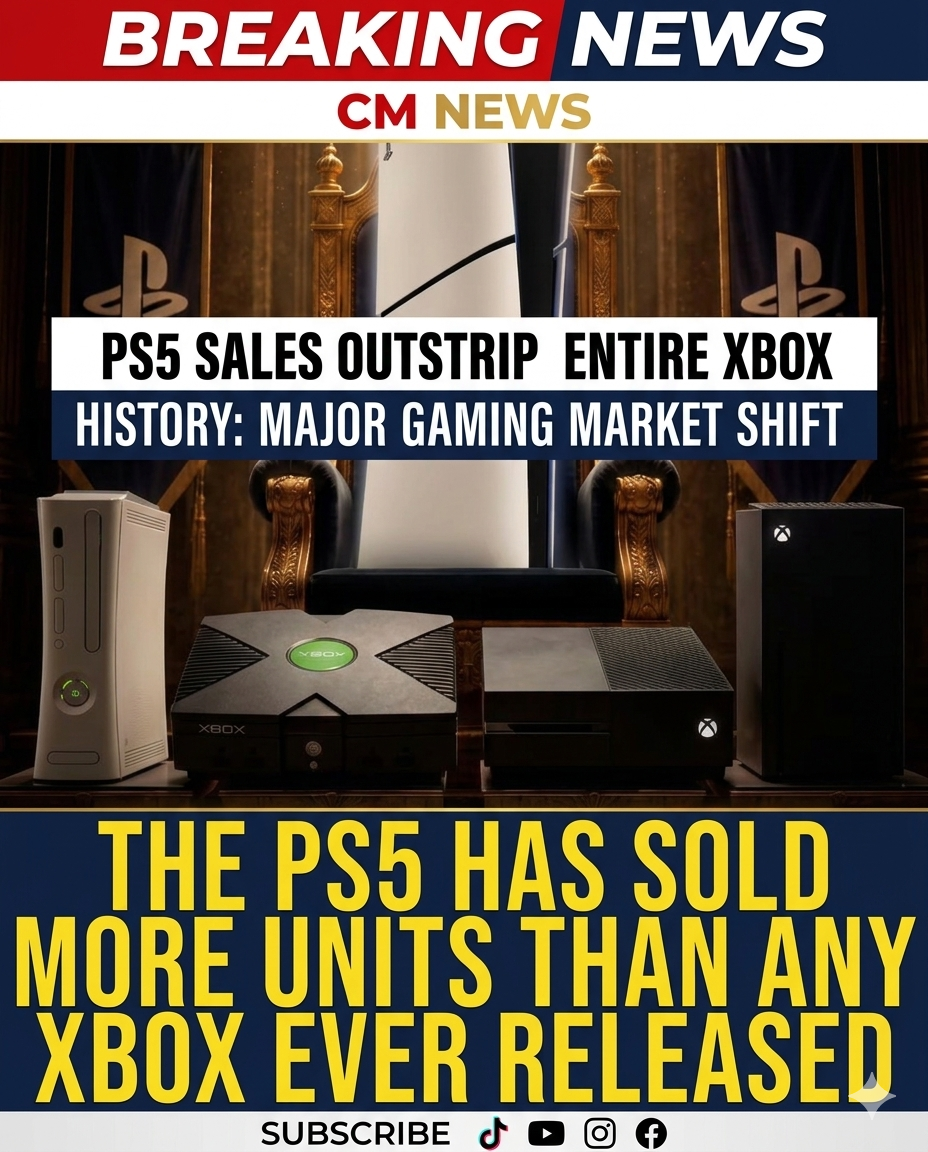
PS5 Crosses a Historic Threshold
Sony Interactive Entertainment confirmed in its most recent earnings report that cumulative PS5 shipments have reached 93.7 million units globally. That number carries significant weight not just as a commercial achievement, but as a direct benchmark against Microsoft's entire Xbox hardware history.
The Xbox 360, widely regarded as Microsoft's most successful console generation, moved approximately 84 million units into retail worldwide — a figure Microsoft last publicly confirmed in June 2014. The PS5 has now surpassed that total in under five years on the market, a pace that underscores the depth of PlayStation's global consumer base and the strength of Sony's first-party software lineup.
To put the scale in perspective, the original Xbox — Microsoft's debut console released in 2001 — sold around 24 million units during its lifecycle. The Xbox One, which launched in 2013 and competed directly with the PlayStation 4, reached approximately 58 million units before Microsoft quietly discontinued the line. Neither console came close to challenging Sony's dominance at a generational level.
Why the Xbox 360 Comparison Matters
The Xbox 360, launched in 2005, represents the high-water mark for Microsoft's gaming hardware. It was the console that introduced millions of players to Xbox Live in its modern form, gave rise to franchises like Gears of War and helped cement Halo as a cultural phenomenon. For over a decade, 84 million units stood as the ceiling of what any Xbox platform had ever achieved in the marketplace.
The fact that PS5 has crossed that threshold — without the benefit of a full decade on shelves — speaks to several converging factors: strong exclusive titles, competitive pricing relative to its hardware capabilities, a loyal global install base carried over from the PS4 era, and significant momentum in markets across Europe, Asia, and North America.
Sony's Broader Gaming Strategy
Beyond raw hardware numbers, Sony has continued to invest heavily in its PlayStation ecosystem. The PS5 Slim, released in late 2023 at a reduced size and adjusted price point, helped expand the console's accessibility to a broader range of consumers. Meanwhile, Sony's PlayStation Plus subscription service has grown into a key revenue driver, offering a library of titles across multiple tiers and providing recurring income independent of hardware sales cycles.
Sony has also made strategic moves in game development and acquisition, building out its first-party studio network to ensure a steady pipeline of exclusive content — a factor that analysts consistently cite as a primary driver of platform loyalty and hardware adoption.
Microsoft's Shifting Hardware Strategy
It is worth noting that Microsoft has deliberately pivoted away from measuring success solely through console unit sales. The company has increasingly positioned Xbox as a platform and services brand, with Game Pass subscriptions and cross-platform PC gaming forming the core of its growth strategy. Following its $69 billion acquisition of Activision Blizzard in 2023, Microsoft's gaming ambitions are now as much about software and subscriptions as they are about physical hardware.
That context does not diminish the significance of PS5's achievement, but it does reframe the competitive landscape. Microsoft is no longer competing exclusively for console shelf space — it is competing for gaming hours and subscription revenue across devices.
ANALYSIS / CONTEXT SECTION:
What This Means for the Gaming Industry
PlayStation's continued dominance at the hardware level has tangible implications for third-party game developers, publishers, and investors. A platform with nearly 94 million active hardware units commands significant leverage in negotiating timed exclusives, marketing partnerships, and development priorities. Publishers building AAA titles must prioritize PS5 optimization, and Sony's platform terms carry outsized weight in those conversations.
For consumers, a dominant platform typically translates to a richer software library over time, as developers concentrate resources where the install base is largest. It also sustains competitive pressure on Microsoft to deliver value through Game Pass and its own exclusive releases to retain and grow its audience.
The console race, while no longer the only axis of competition in gaming, remains a meaningful indicator of brand loyalty, ecosystem strength, and long-term monetization potential in one of the world's largest entertainment industries.
CONCLUSION:
Sony's PS5 crossing the 93.7 million unit threshold is more than a sales record — it is a statement about the enduring strength of the PlayStation brand on a global scale. By surpassing the Xbox 360's lifetime total in less than five years, Sony has demonstrated that its current hardware generation is on a trajectory to rival or exceed some of the best-performing consoles in industry history. As both companies continue to evolve their strategies heading into the second half of this console generation, the gap in hardware numbers will remain one of the clearest measures of where consumer preference currently stands.
Word count: ~720 | Category: Gaming / Technology | Tags: PS5, PlayStation, Xbox, Console Sales, Sony, Microsoft, Gaming Industry