Politics
Iranian Shipping Activity Resumes Near Strait of Hormuz Following US-Iran Ceasefire Developments
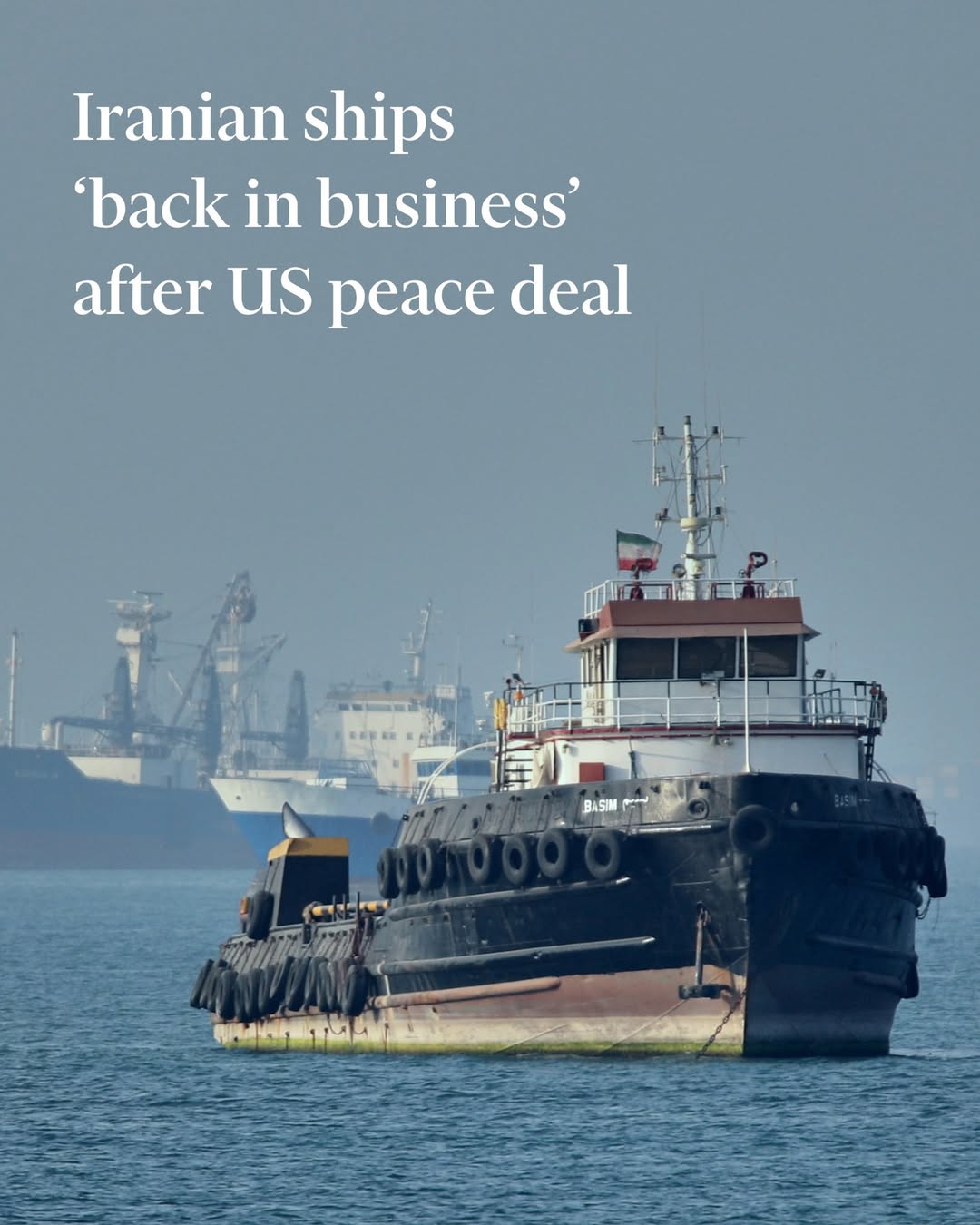
Container ships and oil tankers linked to Iran are reportedly returning to operations around the Strait of Hormuz after tensions eased following recent diplomatic developments.
By CM NEWS Editorial Team
Publication Date: June 19, 2026
Introduction
Several Iranian-flagged cargo vessels that had gathered in Malaysian waters earlier this week have reportedly begun returning toward the Strait of Hormuz, one of the world's most strategically important maritime routes. Shipping data reviewed by international media outlets indicated that six of seven Iranian container ships previously observed in Malaysian ports and surrounding waters departed by Thursday and were heading back toward the Gulf region.
The movements come amid signs of easing tensions following recent diplomatic efforts between the United States and Iran, raising expectations that shipping activity in the region may gradually normalize.
Key Facts
- Six Iranian-flagged container ships previously located in Malaysian waters have reportedly departed and are returning toward the Strait of Hormuz.
- Shipping experts believe parts of Iran's oil tanker fleet are also resuming operations.
- The developments follow diplomatic efforts that have reduced immediate concerns about escalating conflict in the Gulf.
- The Strait of Hormuz remains one of the world's most critical energy transportation routes.
Full Story
Recent vessel-tracking data suggests that Iranian shipping activity is beginning to recover after a period of uncertainty and disruption linked to regional tensions.
According to reports, several Iranian container ships that had remained in or near Malaysian ports earlier in the week have changed course and are now sailing toward the Strait of Hormuz. Maritime analysts say the movements could indicate growing confidence among shipping operators that immediate risks in the Gulf have diminished.
Experts also believe that segments of Iran's fleet of oil tankers are likely returning to normal operating patterns. During periods of heightened geopolitical tension, shipping companies and vessel operators often alter routes, delay departures, or keep ships at anchor while assessing potential security risks.
The return of Iranian vessels could be an early sign that maritime traffic in the region is stabilizing following recent diplomatic developments between Washington and Tehran.
Why the Strait of Hormuz Matters
The Strait of Hormuz is widely regarded as one of the world's most strategically significant waterways. Located between Iran and Oman, the narrow passage connects the Persian Gulf with the Gulf of Oman and the Arabian Sea.
A substantial portion of global oil exports and liquefied natural gas shipments pass through the strait each day. Because of its importance to international energy markets, any disruption in the area can quickly influence shipping costs, insurance premiums, and global energy prices.
Shipping companies, energy traders, and governments closely monitor activity in the strait because prolonged instability could have significant economic consequences far beyond the Middle East.
Background: Maritime Risks and Regional Tensions
Maritime operations in the Gulf have periodically faced disruptions during periods of political and military tension. In recent years, concerns over sanctions, security incidents, and regional disputes have prompted shipping operators to adopt more cautious strategies.
Iran's shipping industry has also faced challenges stemming from international sanctions and restrictions affecting trade and maritime services. As a result, vessel movements involving Iranian-flagged ships are often closely observed by analysts and market participants seeking clues about broader economic and geopolitical developments.
The latest movements of container ships and oil tankers may therefore provide insight into changing risk assessments within the maritime sector.
Expert Analysis
Shipping experts note that the return of Iranian vessels does not necessarily signal a complete resolution of underlying geopolitical issues. Instead, it may reflect an assessment by ship operators that immediate operational risks have eased sufficiently to resume voyages.
A resumption of maritime activity could help restore trade flows and reduce uncertainty in regional shipping markets. Energy analysts will also be watching closely to determine whether increased tanker movements lead to higher oil export volumes or affect global energy supply expectations.
The developments highlight how closely international trade and energy markets remain tied to geopolitical stability in the Gulf region.
What Happens Next?
Analysts are expected to continue monitoring vessel-tracking data and diplomatic developments involving Iran and the United States. Future shipping patterns in the Strait of Hormuz will likely depend on whether the current period of reduced tensions proves sustainable.
Governments, shipping companies, and energy traders will remain attentive to developments in the Gulf, given the potential impact on global commerce and energy security.
For additional coverage of global economic developments, explore CM NEWS's coverage of international trade and energy markets and follow our latest reporting on geopolitical affairs and global shipping trends.
Conclusion
The reported return of Iranian container ships and oil tankers toward the Strait of Hormuz marks an important development for global maritime trade and energy markets. Although underlying geopolitical challenges remain, recent vessel movements suggest that shipping operators are cautiously resuming activity after a period of heightened uncertainty.
As one of the world's most critical trade corridors, the Strait of Hormuz will continue to be closely watched by policymakers, businesses, and investors seeking to understand the broader implications of changing conditions in the Middle East.