Politics
California Governor Primary 2026: Democrats Face Historic Doomsday Scenario as Two Republicans Lead the Race
With a deeply fractured Democratic field and early returns showing Republican candidates ahead, California's June 2 primary may send zero Democrats to the November general election — a potential political earthquake in America's most populous state.
Byline: CM News Desk
Publication Date: June 3, 2026
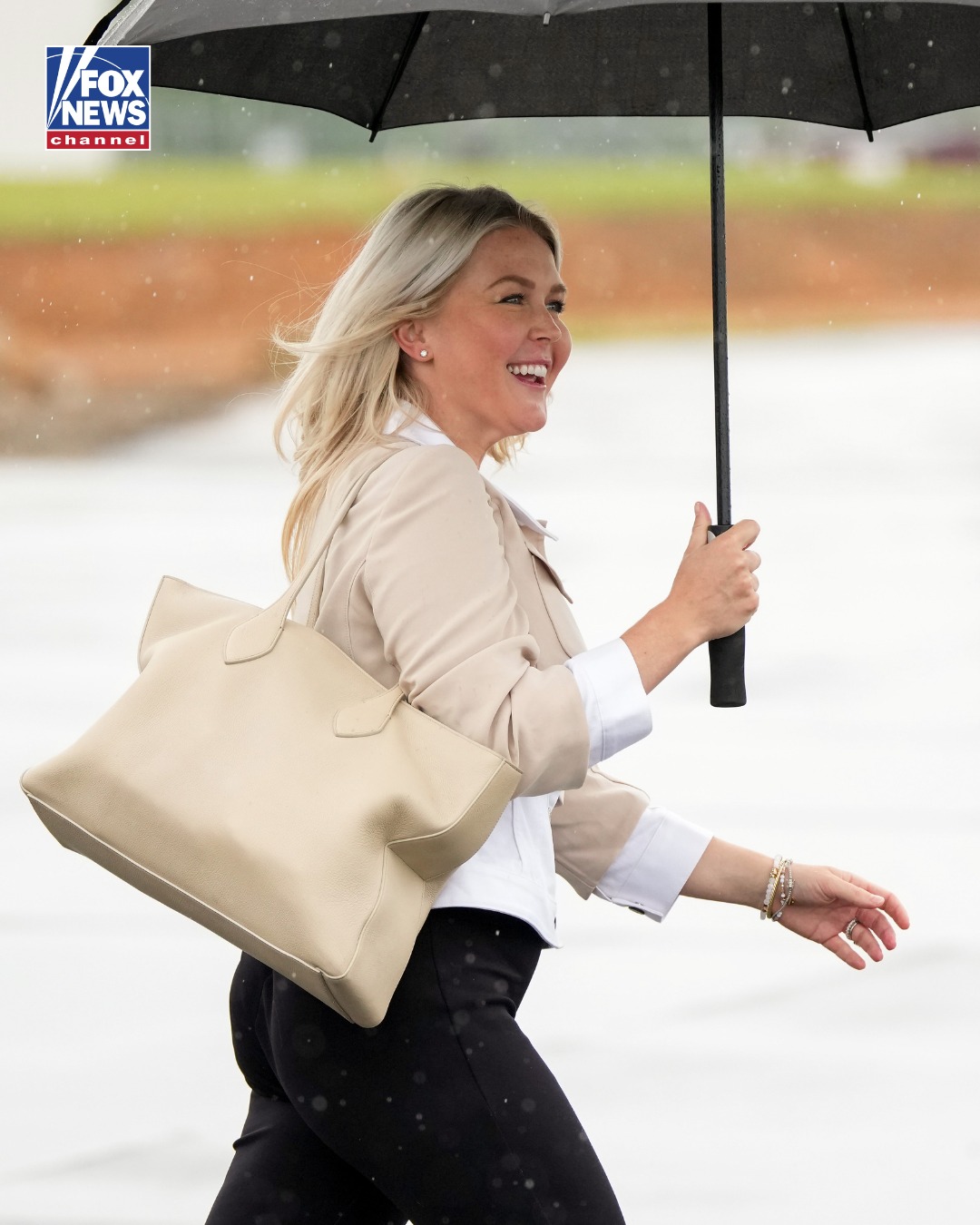
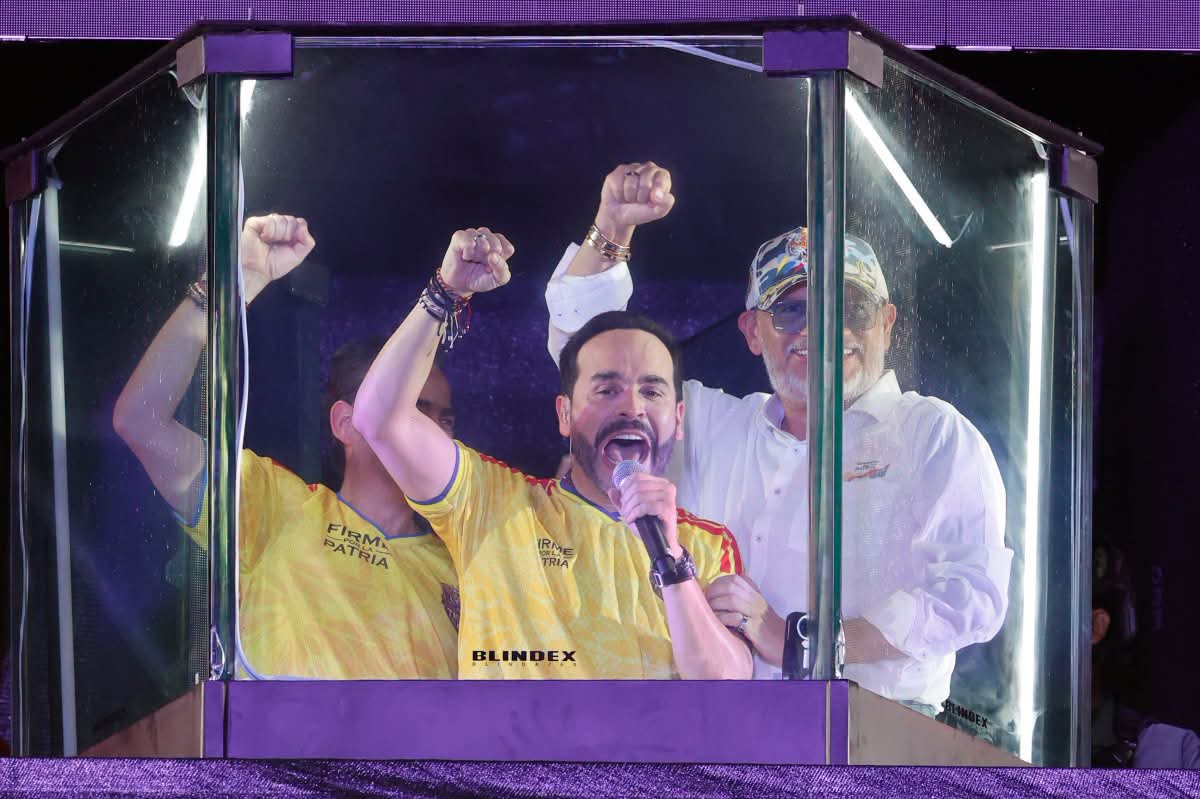
California, a state that has not elected a Republican governor since 2006, is confronting an extraordinary and potentially historic political crisis. Early results from the June 2, 2026 primary election show two Republican candidates — former Fox News host Steve Hilton and Riverside County Sheriff Chad Bianco — performing strongly enough to potentially advance to the November general election, leaving the Democratic Party's fragmented field scrambling. Under California's unique top-two primary system, only the two highest vote-getters advance regardless of party affiliation, meaning a crowded Democratic lineup could split the vote and hand both November spots to Republicans.
Key Facts
- Election: California Governor Primary — June 2, 2026
- System: Nonpartisan top-two jungle primary (top two advance to November regardless of party)
- Republican frontrunners: Steve Hilton (former Fox News host) and Chad Bianco (Riverside County Sheriff)
- Democratic frontrunners: Xavier Becerra (former U.S. Health and Human Services Secretary) and Tom Steyer (billionaire investor and activist)
- Notable concession: U.S. Rep. Katie Porter dropped out on primary night
- Last Republican governor of California: Arnold Schwarzenegger, who left office in January 2011
- Total candidates on the ballot: Over 60
Voters in California headed to the polls on June 2, 2026, to determine who will succeed term-limited Governor Gavin Newsom — and what they produced may reshape California politics for years to come.
Steve Hilton, a British-born former Fox News personality and tech entrepreneur, entered the race as the most prominent Republican contender, campaigning on a platform of government efficiency, housing reform, and economic deregulation. Chad Bianco, the combative Riverside County Sheriff known for his outspoken opposition to California's immigration and public safety policies, built a grassroots conservative base throughout the campaign.
On the Democratic side, the race featured an unusually large and competitive field. Xavier Becerra, who served as U.S. Attorney General of California before leading the Department of Health and Human Services under President Joe Biden, was widely considered the establishment favorite. Billionaire activist and former presidential candidate Tom Steyer spent heavily throughout the campaign to build name recognition. Other significant candidates included San Jose Mayor Matt Mahan, former state Controller Betty Yee, and progressive U.S. Representative Katie Porter, who ran on a platform of eliminating ICE and refusing corporate donations.
Porter conceded on primary night after early vote counts showed her trailing. In a social media video, she acknowledged the result and thanked her supporters, effectively ending her campaign and further consolidating the Democratic field — though too late to change the math.
How California's Jungle Primary Works
California uses a nonpartisan blanket primary, often called a "jungle primary," introduced through Proposition 14 in 2010. In this system, all candidates from all parties compete together in a single primary. Only the top two vote-getters — regardless of party — advance to the November general election.
The system was designed to promote moderate candidates and reduce partisan gridlock. However, in 2026, it has created an unintended consequence: a sprawling Democratic field of over a dozen credible candidates has split the Democratic vote across multiple contenders, while Republican voters have coalesced more tightly behind Hilton and Bianco.
California Democratic Party officials sounded the alarm weeks before the primary. State party chair Rusty Hicks held a press conference releasing internal polling that showed two Republicans leading the field, urging lower-polling Democratic candidates to drop out to consolidate the vote. The appeal largely went unheeded, and the fragmentation persisted through election day.
For context, California is one of the most reliably Democratic states in the nation. Democrats hold every statewide constitutional office, dominate both chambers of the state legislature, and have won every presidential election in the state since 1992. The last Republican to win a statewide race was Arnold Schwarzenegger in 2006. A November ballot with two Republican gubernatorial candidates would represent a seismic rupture in that political dominance.
What This Means for California and the Democratic Party
The potential doomsday scenario in California carries implications that extend well beyond state borders.
First, it exposes a structural vulnerability in progressive coalition politics. When too many credible candidates compete for the same ideological pool of voters, the result can be catastrophic — a lesson that national Democrats may be forced to absorb heading into future election cycles.
Second, it represents a significant opportunity for the Republican Party in a state where it has been written off for nearly two decades. A Hilton vs. Bianco general election matchup would energize conservative donors and organizers nationally, potentially reviving California's GOP infrastructure regardless of who ultimately wins in November.
Third, and perhaps most urgently, the outcome raises serious policy questions for California residents. The state is grappling with a housing affordability crisis, persistent homelessness, high income taxes, drought management challenges, and ongoing debates over public safety and immigration enforcement. The identity of the next governor will directly shape California's approach to all of these issues.
From a national political lens, a California without a Democratic gubernatorial candidate on the November ballot would also affect fundraising, voter turnout operations, and Democratic morale heading into the 2026 midterm cycle — a cycle that is already being watched closely given the balance of power in Congress.
For further reading on how America's primary systems are shaping 2026 elections, see CM News' coverage of [2026 midterm election battlegrounds] and [the rise of independent and third-party candidates in U.S. politics].
What Happens Next
Vote counting in California continued into the early hours of June 3. Given the volume of mail-in ballots — which California allows to be counted if postmarked by election day — final results in close races may not be certified for several days or even weeks.
If the top-two projections hold and both Hilton and Bianco advance, the California Democratic Party will face an extraordinary challenge: deciding whether to rally behind one of the Republicans as a lesser-of-two-evils option, mount a write-in campaign, or focus its energy entirely on congressional and legislative races.
Legal challenges to the jungle primary system have been raised in previous cycles but have not succeeded in overturning the structure. Political analysts will be watching closely to see whether Democratic leadership attempts any procedural maneuver before November.
In the Los Angeles mayoral race — also held on June 2 — incumbent Mayor Karen Bass was projected to advance to a November runoff, providing one bright spot for city-level Democrats in an otherwise turbulent night for the party.
Conclusion
California's 2026 governor primary has produced what many observers once considered unthinkable: a genuine prospect that the world's fifth-largest economy may elect its next governor from a ballot featuring no major Democratic candidate. The final result depends on how the remaining votes are counted, but the structural damage to the Democratic coalition in California is already visible.
For a state that has long been considered the crown jewel of progressive governance in America, the 2026 primary has delivered a warning that no political majority — however large — is immune to the consequences of division and fragmentation. The November general election, still months away, will determine whether this primary night was an anomaly or the beginning of a new chapter in California politics.
CM News will continue to update this story as vote counting proceeds and official projections are confirmed.