World
31-Year-Old South African Woman Battles Rare Rapid Ageing Condition — Her Story Has Moved Thousands
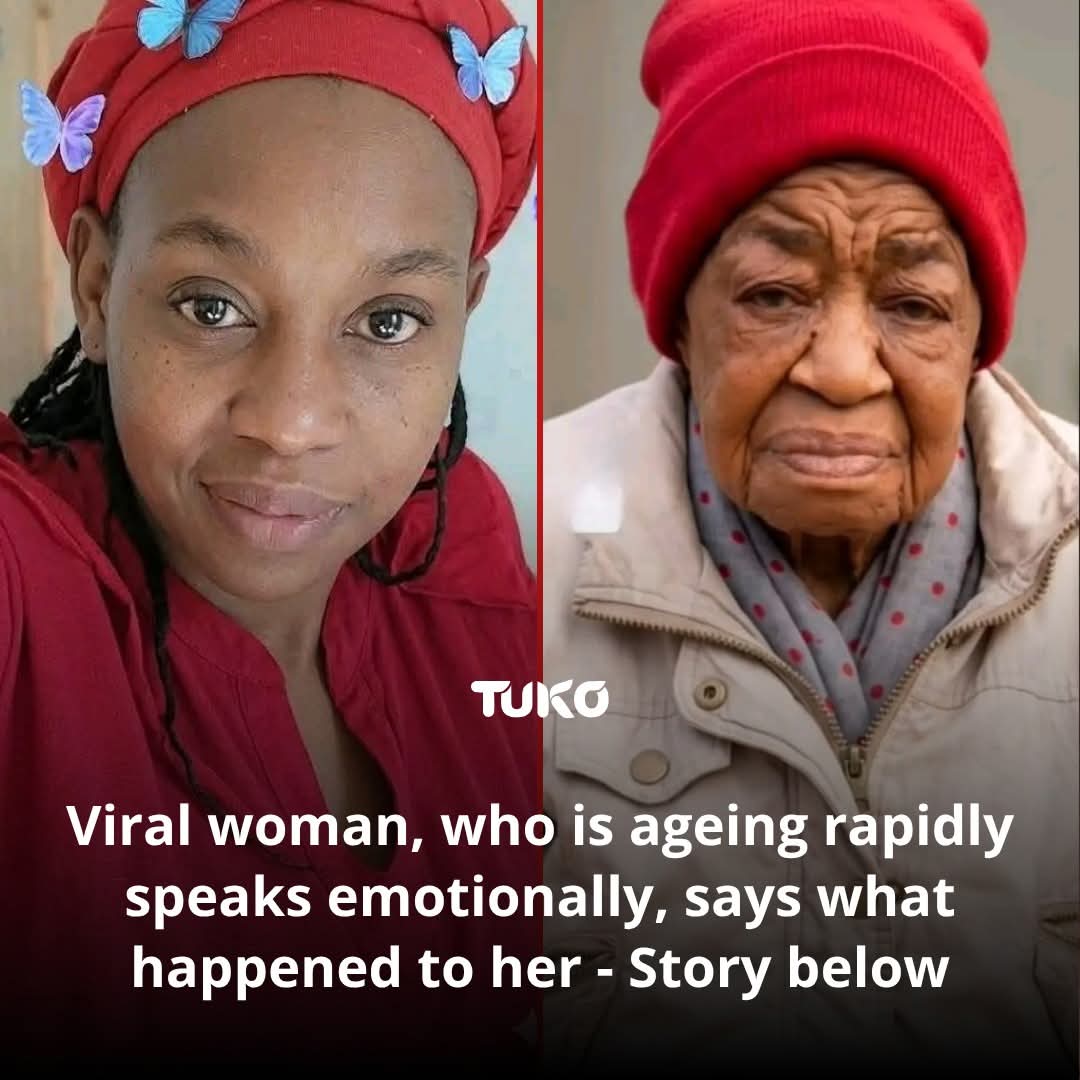
A 31-year-old South African woman is at the center of a heartbreaking story that has gone viral across social media, after photos and videos revealed she appears to have aged dramatically over just a few years. Sinenhlanhla Khoza from Mtubatuba in KwaZulu-Natal says her life changed dramatically after she began experiencing rapid physical ageing while still in her late twenties. [Tuko News] Her emotional public appeal for help has drawn national attention and reignited important conversations ..
THE STORY: A LIFE CHANGED WITHOUT WARNING
According to Sinenhlanhla, the mysterious condition reportedly started when she was around 27 years old, causing dramatic physical changes that affected her appearance, health and daily life. [Zambian Observer]
According to her family, Khoza's health problems reportedly started with a strange mark that appeared on her face before her condition rapidly worsened. They claimed she later began experiencing persistent vomiting and severe body aches, raising alarm among relatives. As months passed, her physical appearance changed significantly, with signs of rapid ageing becoming more noticeable.
The family also revealed that she has since lost the ability to walk independently. They revealed they had exhausted several avenues in search of help, including consultations with hospitals and traditional healers, but no treatment had improved her condition. [Tuko News]
Her skin had thinned and wrinkled, her posture had changed, and simple things like walking had become difficult. Relatives describe how the changes started slowly at first, then picked up pace, making daily life a constant struggle. [Bana Kenya]
GOING VIRAL: HOW THE NATION RESPONDED
Snenhlanhla Khoza's story gained widespread attention after it was shared on various social media platforms, leaving many stunned by how rapidly she appeared to age.
South African actress Dawn Thandeka King visited Snenhlanhla Khoza after her viral appeal, responding to her cry for help while dealing with her ageing medical condition. [Briefly.co.za] The actress's unexpected gesture was widely praised online, with many South Africans expressing their support.
Public reactions ranged from sympathy and fundraising efforts to calls for medical specialists to get involved. One commenter reflected the broader sentiment: "The lady must be assisted to the level where she can get medical experts to attend to her sickness." [Briefly.co.za] Another added: "It helps her because we can now donate knowing it is a true story. I for one did not believe the pictures up until I saw her telling her own story." [Briefly.co.za]
THE MEDICAL EXPLANATION: WHAT IS WERNER SYNDROME?
Beyond the viral clips and speculation lies a deeply human story about living with a rare medical condition most people have never even heard of. Sinenhlanhla Khoza allegedly has Werner Syndrome, a rare genetic condition that elevates the body's ageing process, typically surfacing in late adolescence to early adulthood. [IOL]
Werner Syndrome is a rare genetic disorder often described as "adult-onset progeria." Its symptoms include rapid skin aging, hair loss and premature greying, wrinkling and tightening of the skin, severe fatigue, vision problems, heart complications, fragile bones, and increased cancer risk. Some patients can physically appear decades older than their real age within a short space of time. [IOL]
Health experts stress that Werner Syndrome comes from mutations in a gene responsible for repairing DNA. It is not passed through relationships or any kind of contact. [Bana Kenya] This is a critical point, as misinformation around the condition has been widespread online.
She claims doctors told her they still do not fully understand what is happening to her body, with reports suggesting that her skin, organs and even her heart may be affected by the unexplained condition. [Zambian Observer]
MISINFORMATION AND THE CHALLENGE OF RARE ILLNESS IN COMMUNITIES
For many South Africans watching Khoza's story unfold online, the transformation felt difficult to comprehend. And when communities do not understand rare illnesses, fear and misinformation often rush in to fill the gap. [IOL]
Some in the community whispered about curses or spiritual matters, a common reaction when rare illnesses appear suddenly in tight-knit areas. Yet medical voices push back firmly. [Bana Kenya] Doctors and health commentators who engaged with the story online emphasized that Werner Syndrome is a genetic condition with no supernatural cause — and that patients deserve proper clinical investigation, not stigma.
Sinenhlanhla tried various routes for relief. She went to regular hospitals and also sought help at traditional wellness practitioners. None brought the turnaround her family hoped for. [Bana Kenya]
ANALYSIS: WHAT THIS STORY REVEALS ABOUT HEALTHCARE ACCESS AND RARE DISEASE AWARENESS
Sinenhlanhla Khoza's case highlights a broader challenge facing patients with rare conditions in many parts of the world, including South Africa. Rare diseases are often underfunded in research and underrepresented in medical training. Patients can spend years seeking a diagnosis while their condition worsens, cycling through hospitals and alternative treatments without receiving targeted care.
Many South Africans are now calling for medical specialists and health authorities to investigate her condition further in hopes that she can finally receive proper diagnosis, treatment and support. [Zambian Observer]
Werner Syndrome affects an estimated one in a million people globally, making it extraordinarily rare. In many low- and middle-income settings, the diagnostic tools and specialist expertise required to identify and manage the condition are simply not accessible. Cases like Khoza's, which attract public attention through social media, sometimes become unexpected catalysts for healthcare reform conversations — drawing awareness to the gap between the medical needs of rare disease patients and the resources available to them.
The public response to her story also demonstrates the role social media now plays in connecting vulnerable individuals with support networks, donors, and professionals who might otherwise never have heard their story. While misinformation remains a risk in viral health stories, the outpouring of genuine support for Khoza suggests that empathy and community solidarity remain powerful forces.
CONCLUSION
Sinenhlanhla Khoza's story is more than a viral moment. It is a window into the daily reality faced by individuals living with rare and poorly understood medical conditions — and the emotional, physical, and social toll that comes with them. At 31 years old, she has already endured more than most people face in a lifetime, and her courage in speaking publicly has sparked a national conversation that goes well beyond her own situation. As calls grow for specialist medical intervention on her behalf, her story serves as a reminder of the importance of rare disease awareness, equitable healthcare access, and the human capacity for compassion when confronted with suffering that is both real and urgent.
Sources: Tuko.co.ke, Briefly.co.za, IOL, Bana.co.ke — as reported via CM NEWS editorial research.